
Sign up
Log in
THEBlog
Everything happening on streaming.


Get it in your inbox free weekly.
Your subscriptions with us are subject to our Terms of Service and Privacy Policy.

Update on the Update - "My Stuff" on Likewise 20.0
Likewise's "My Stuff" update revamped the rating and organizing system on Likewise. Our Head of Product weighs in on user questions about the update on May 17.
ReadMore from the blog
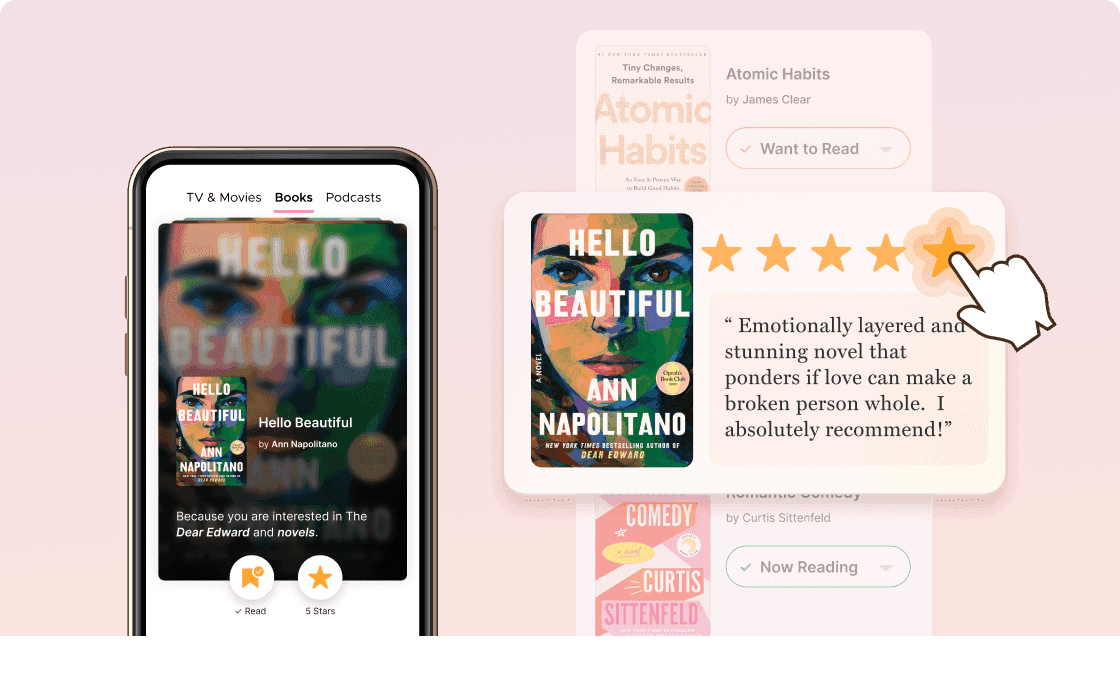
Likewise’s Biggest Update Ever - “My Stuff” is Here!
Rating and organizing your books, shows, and podcasts has never been easier!

Winner of the Week - Sophie Nélisse in Yellowjackets
‘Yellowjackets’ aims another gut-wrenching tragedy at Sophie Nélisse’s Shauna in its most recent episode.
Likewise, Personalized Content Discovery Platform, Announces Key Milestones
Learn more about Likewise's user growth, email newsletter re-brand, marketing partnerships, and AI enhancements.

Winner of the Week - Joaquin Phoenix in Beau Is Afraid
It’s rare to see big-budget horror-comedies. Phoenix offers a refreshing, surreal performance in Ari Aster’s self-indulgent nightmare 'Beau Is Afraid.'

Winner of the Week - Ronald Gladden in Jury Duty
In the high-concept comedy series 'Jury Duty,' 12 actors pretend to be sequestered for a trial—with one unknowing guest along for the ride.

Beau Is Afraid - What Can We Expect?
Reviews are in! Director Ari Aster's latest release, 'Beau Is Afraid,' is sure to excite.
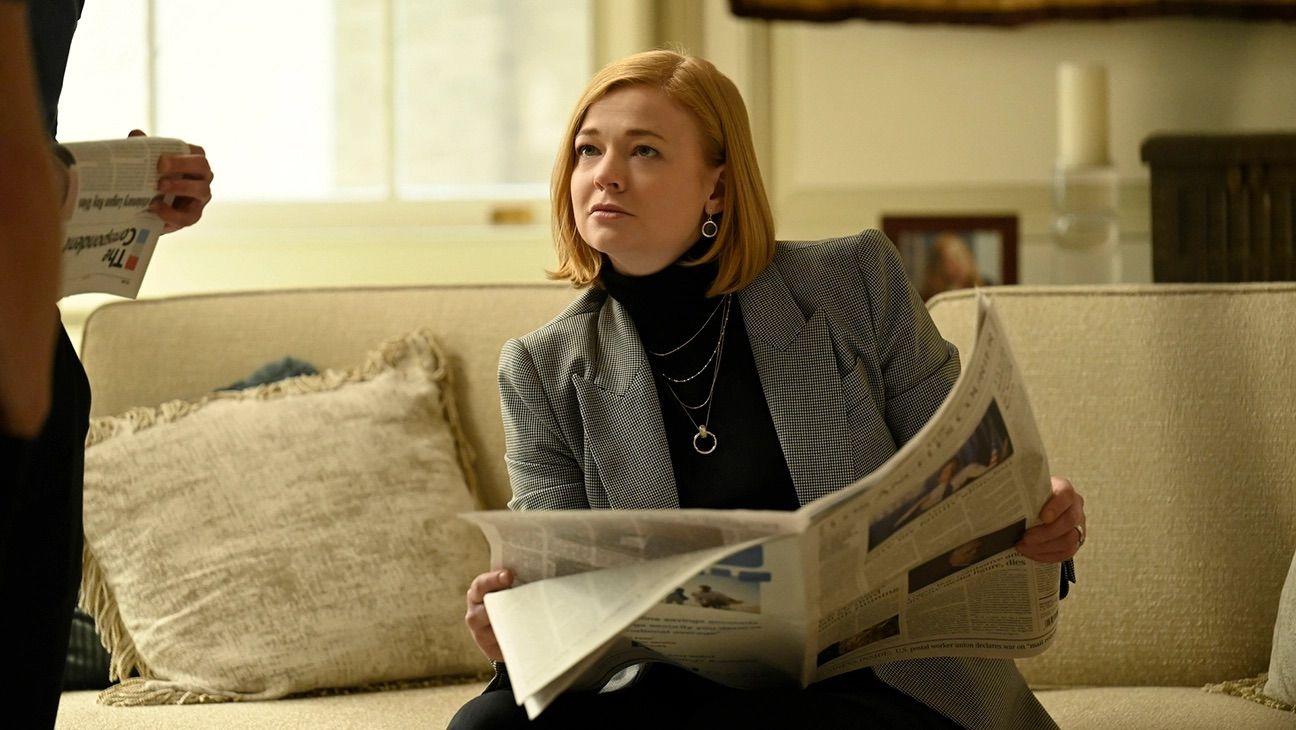
Winner of the Week - Sarah Snook in Succession
'Succession' pulls no punches in its first four new episodes, evidenced by Sarah Snook's Shiv Roy.
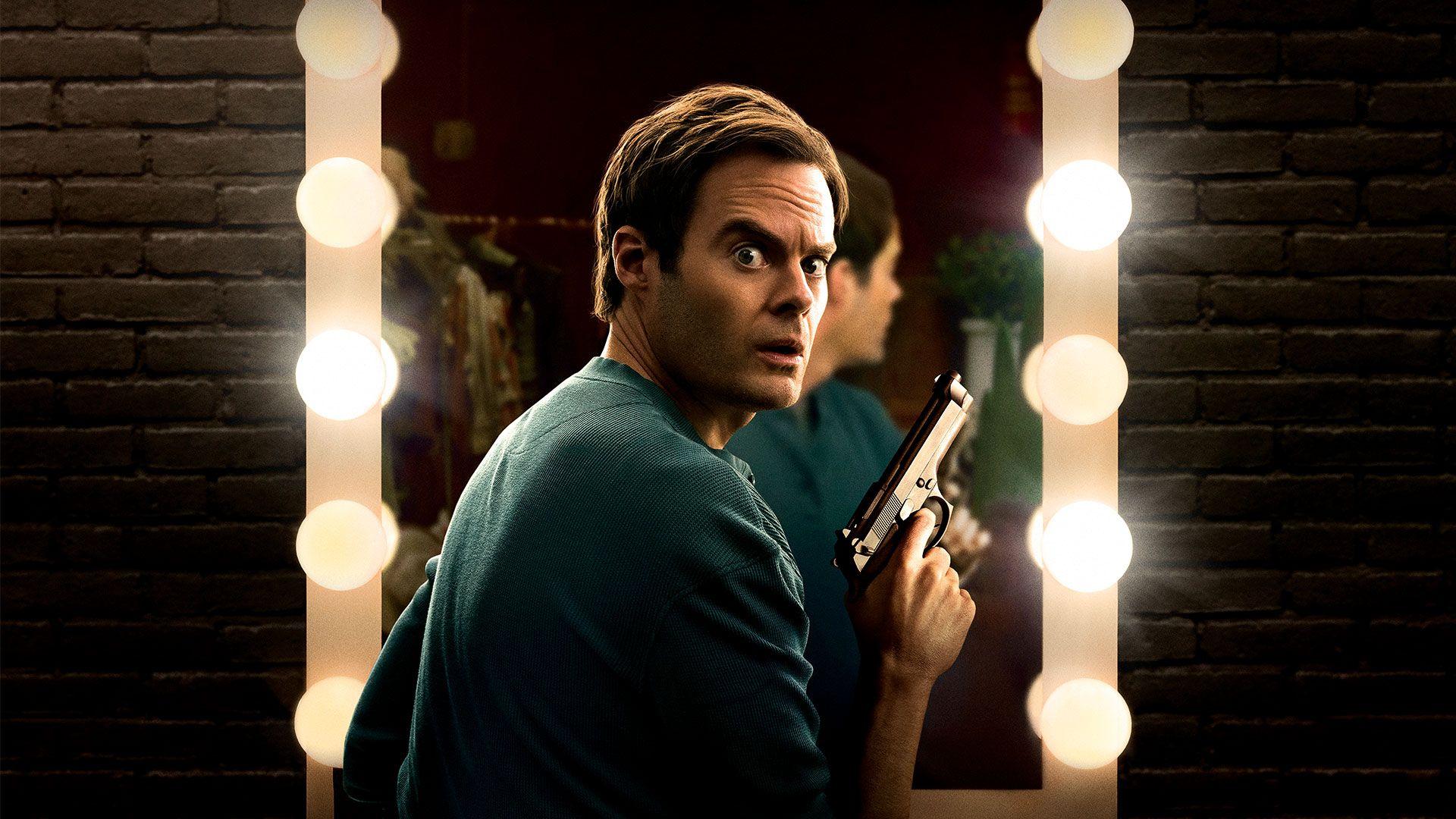
Beyond Barry: The Antihero Appeal
There's something undeniably endearing about antiheroes in titles like 'Barry,' but is this fascination unhealthy or harmless?

Winner of the Week - Ali Wong in Beef
Amy (Ali Wong) and Danny (Steven Yeun) are the dueling leads of ‘Beef,’ the new series created by Lee Sung Jin.

The Super Mario Bros. Movie - What More Could You Ask For?
'The Super Mario Bros. Movie' is the latest video game adaptation to hit theaters, but does it surpass audience expectations or fall short?
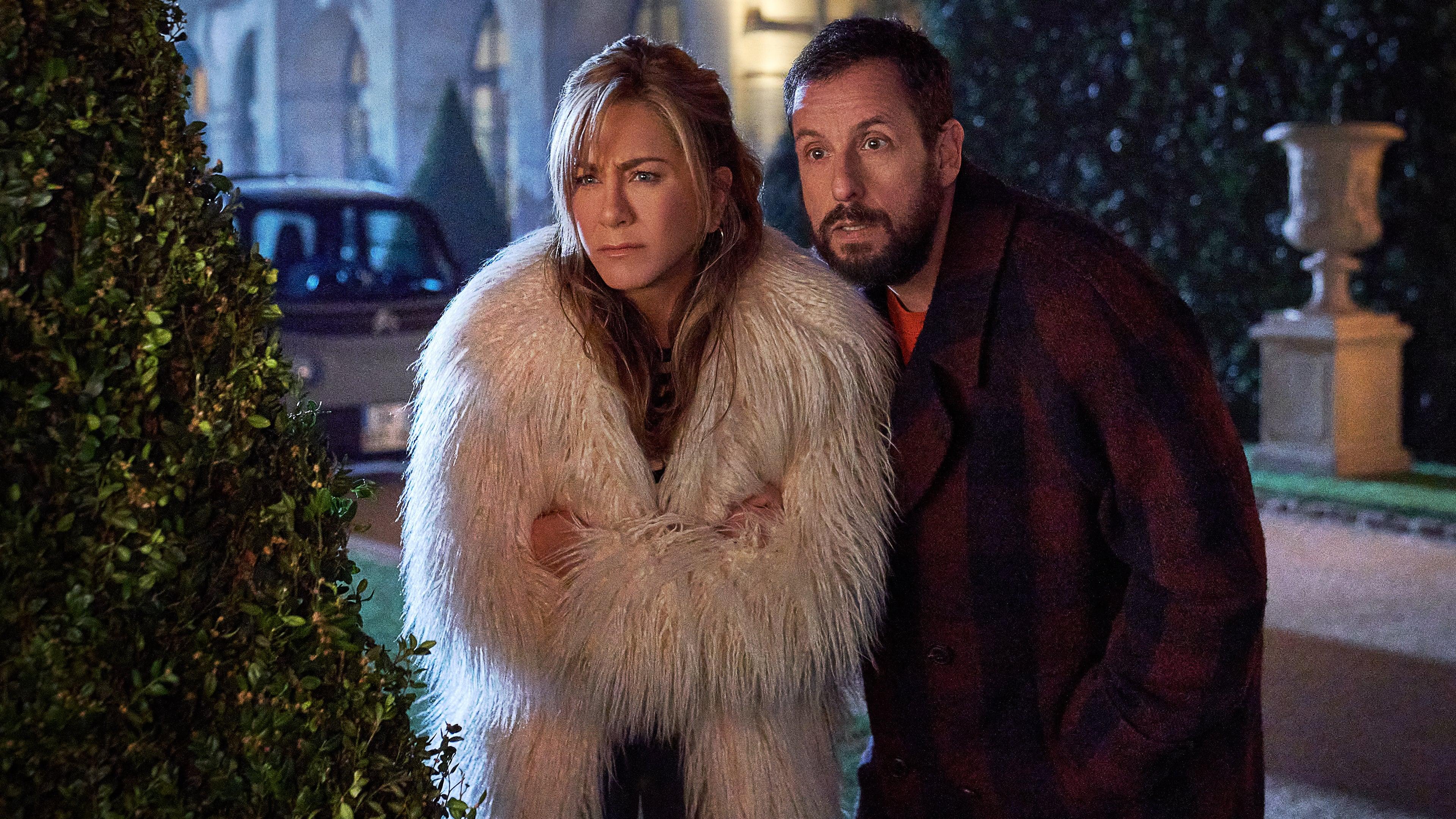
Winner of the Week - Adam Sandler in Murder Mystery 2
'Murder Mystery 2' is available to stream now, featuring yet another hilarious performance from the always-great Adam Sandler.


Join our Watchlist Newsletter
Everything new and noteworthy hitting streaming weekly!
Your subscriptions with us are subject to our Terms of Service and Privacy Policy.